-
Gujarat, India
- info@icontechnology.in
- 24/7 Customer Support
Gujarat, India
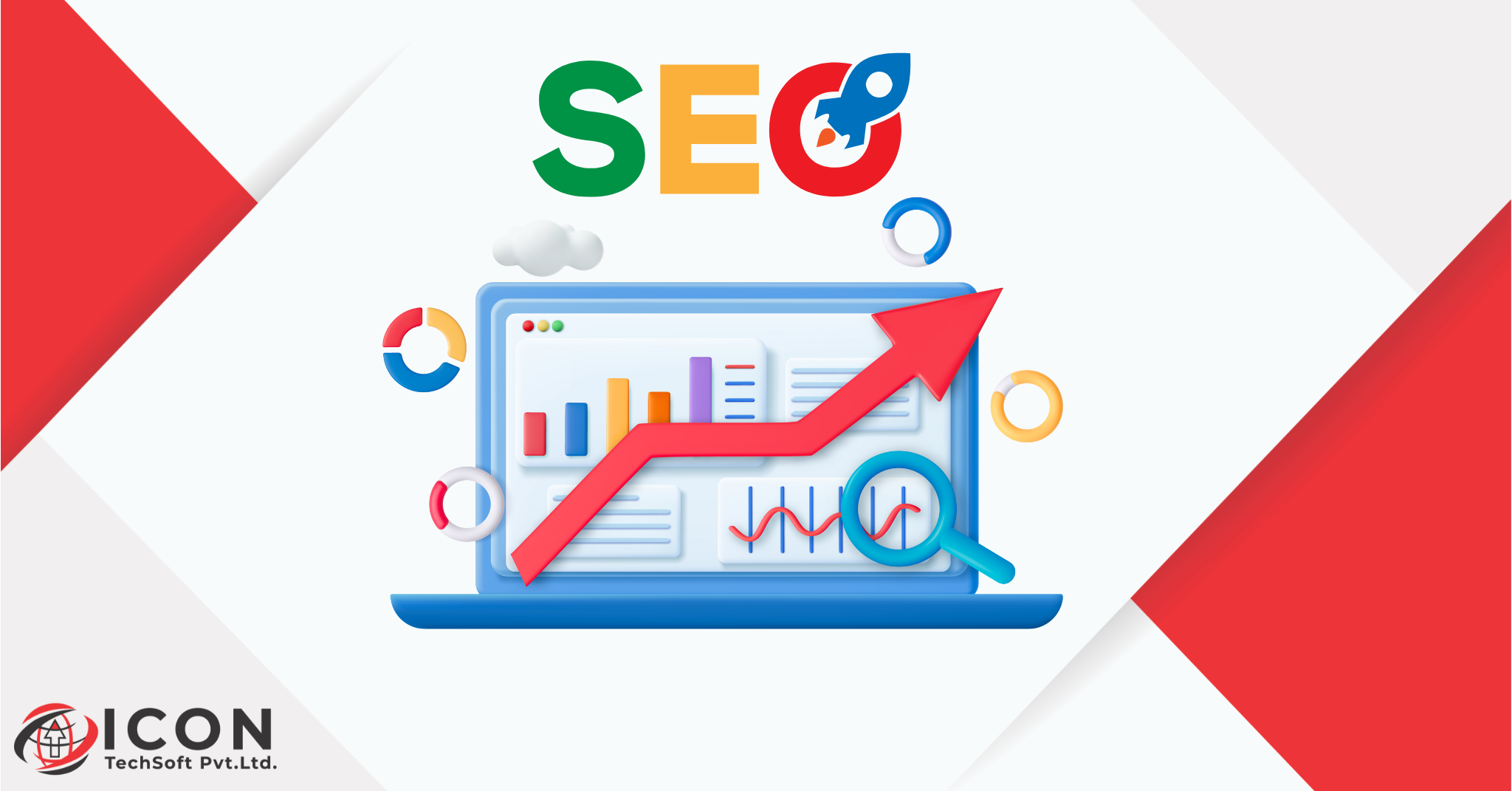
SEO is more than just a buzzword; it’s a powerful tool for online visibility. It stands for Search Engine Optimization and involves techniques to improve your site’s ranking in search results. In 2025, SEO combines data-driven science with creative strategies to navigate advanced algorithms and user behaviors.
To rank faster and more effectively, you need a balanced strategy across all major types of SEO. Each type focuses on different aspects of optimization that collectively boost your online visibility.
This involves optimizing the content and structure within your website.
It includes:
Using relevant keywords naturally in titles, headings, and paragraphs.
Optimizing meta tags, URLs, and image alt text.
Creating high-quality, valuable content that matches user intent.
Goal: Make each page clear, relevant, and easy for search engines to understand.
This focuses on actions taken outside your website to improve authority and trust.
Key techniques include:
Building backlinks from high-quality, reputable websites.
Engaging in guest blogging, influencer outreach, and brand mentions.
Increasing social signals and digital PR.
Goal: Boost your site’s credibility and authority in the eyes of Google.
This ensures that your website’s backend is optimized for search engine crawling and indexing.
It covers:
Improving website speed and mobile responsiveness.
Creating an XML sitemap and fixing broken links.
Using HTTPS for security and proper schema markup for rich results.
Goal: Help search engines easily access, interpret, and display your website efficiently.
If your business serves a local audience, local SEO helps you appear in nearby searches.
It involves:
Optimizing your Google Business Profile.
Encouraging customer reviews and NAP (Name, Address, Phone) consistency.
Using local keywords like “SEO services near me” or “marketing agency in [city].”
Goal: Improve visibility for users searching in your geographic area.
This makes SEO both an art and a science:- the art lies in producing content that resonates with audiences, while the science deals with analytics and machine learning. With the rise of AI, voice search, and personalized results, SEO is more important than ever for businesses. A well-crafted marketing strategy that incorporates SEO services can significantly boost traffic and revenue.
For instance, learning how to get your website to the top of Google requires focusing on user intent and quality content. This blog will guide you on how to rank on Google SEO, including expanded tips and related topics. We’ll explore everything from basic principles to advanced tools, ensuring you have a comprehensive plan to succeed.
Search engines operate through a three-step process: crawling, indexing, and ranking. Crawling uses bots to scan the web and discover new pages. Indexing then stores this information in a vast database for quick retrieval. Ranking evaluates content based on algorithms that consider factors like relevance, authority, and user engagement.
For example, relevance is determined by how well your content matches search queries, while authority comes from high-quality backlinks. Engagement metrics, such as time on page, help refine rankings over time. Machine learning algorithms, powered by AI, analyze vast data sets to improve accuracy, making SEO a continually evolving field.
In your marketing strategy, SEO services can help optimize for these processes. Understanding how to rank on Google SEO means staying updated on algorithm changes, like those involving neural networks. This scientific approach ensures your site not only gets crawled and indexed but also ranks prominently in competitive searches.
On-page SEO revolves around optimizing individual pages for better search performance. Start with keyword placement, ensuring terms like SEO appear in titles, headers, and the first paragraph naturally. This signals to search engines what your page is about without forcing the words.
Incorporate long-tail keywords, such as “how to rank on Google SEO,” to target specific searches and reduce competition. Internal linking not only aids navigation but also helps distribute authority across your site. Add schema markup to enhance how your content appears in search results, potentially earning rich snippets.
A solid marketing strategy includes SEO services for on-page refinements. Real-world example: A blog post optimized with these techniques can see ranking improvements in weeks. By focusing on user-friendly elements, you’ll create content that ranks well and converts visitors.
Off-page SEO builds your site’s credibility through external factors. Link building remains a cornerstone, focusing on acquiring links from reputable sites to establish authority. In 2025, emphasize quality links that align with your niche, as algorithms penalize spammy practices.
Digital PR and social media signals contribute to E-E-A-T, helping your site gain trust. For instance, sharing expert articles can lead to natural backlinks and shares. SEO services can guide you in creating outreach campaigns that fit into your marketing strategy.
If you’re exploring how to get your website to the top of Google, off-page efforts like influencer collaborations can amplify your reach. This not only improves rankings but also drives brand awareness in a crowded digital space.
In 2025, mobile-first indexing is no longer optional – it’s the default. Since most users access websites through mobile devices, Google prioritizes mobile usability in its ranking algorithm.
A mobile-first website should:
Be fully responsive and adapt seamlessly across all screen sizes.
Have easy-to-read fonts, tappable buttons, and intuitive navigation.
Avoid intrusive pop-ups that disrupt mobile users.
Core Web Vitals also play a vital role. These include:
Largest Contentful Paint (LCP): Measures how fast your main content loads (ideal: under 2.5 seconds).
First Input Delay (FID): Gauges interactivity (ideal: under 100 milliseconds).
Cumulative Layout Shift (CLS): Checks visual stability (ideal: below 0.1).
By optimizing for these metrics, you improve both user satisfaction and search rankings. Use tools like Google PageSpeed Insights and Search Console to monitor and fix issues regularly.
Artificial intelligence is transforming how SEO works. In 2025, AI-driven content optimization ensures your content aligns with user intent, search trends, and competitor insights.
AI tools like SurferSEO, Frase, or MarketMuse analyze SERPs and suggest improvements for keyword density, readability, and structure. These tools help you:
Identify semantic keywords related to your main topic.
Optimize your headings, meta descriptions, and internal links.
Predict user behavior based on historical data and engagement patterns.
With AI, you can create highly targeted, data-backed content that satisfies both algorithms and human readers. Remember, search engines reward content that answers questions clearly and keeps users engaged.
Voice search continues to expand as smart assistants like Google Assistant, Alexa, and Siri become everyday tools. In 2025, nearly half of all online searches are conversational in nature.
To optimize for voice search, focus on:
Conversational keywords – people use natural phrases like “How to get your website to the top of Google?” instead of short, typed queries.
Featured snippets (Position Zero) – concise, well-structured answers often get picked up by voice assistants.
Local SEO – voice searches often include local intent like “near me” or “best restaurant in [city]”.
Structure your content with FAQ sections, question-based headings, and schema markup to make it easier for search engines to extract relevant voice-friendly answers.
Google increasingly uses user experience (UX) signals to determine rankings. It’s not just about keywords anymore – it’s about how visitors interact with your website.
Key signals to monitor include:
Bounce Rate: If users leave quickly, it may indicate poor content relevance or design.
Dwell Time: The longer a user stays on your page, the better your chances of ranking higher.
Click-Through Rate (CTR): Eye-catching titles and meta descriptions encourage more clicks from search results.
To improve these metrics:
Make your pages visually appealing and easy to navigate.
Use engaging media – videos, infographics, or animations – to retain attention.
Ensure content delivers value within the first few seconds.
Regular SEO audits help identify weak areas that affect UX. Tools like Google Analytics, Hotjar, and SEMrush can reveal where users drop off or what content keeps them engaged.
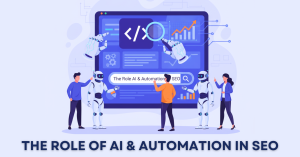
AI and automation are transforming SEO by handling repetitive tasks and providing insights. AI tools for keyword research analyze trends to suggest the most effective terms, saving time and improving accuracy. They can also generate content outlines that align with SEO best practices.
Automation extends to predictive analytics, which forecasts traffic based on historical data, and smart internal linking that boosts site navigation. For example, automated audits can identify broken links or SEO issues instantly. If relevant, check out our resource: Watch our YouTube video on AI for SEO.
Incorporate these into your marketing strategy via SEO services. For how to rank on Google SEO, AI helps in creating personalized experiences, making your efforts more efficient and targeted in 2025.
SEO in 2025 will be shaped by emerging trends like zero-click searches, where users find answers directly on the page. To capitalize, optimize for featured snippets and knowledge panels. Visual and video search will surge, necessitating content for platforms like Instagram and YouTube.
Multi-platform SEO requires a unified approach across Google, Bing, and social networks. Hyper-personalized results, driven by user data, mean tailoring content to individual preferences and locations. A proactive marketing strategy, supported by SEO services, will help adapt to these changes.
For how to rank on Google SEO, keep an eye on trends like semantic search, which understands context beyond keywords. Staying agile ensures your site remains visible in this dynamic environment.
Ranking faster involves actionable tips that combine strategy and execution. Start with consistent content creation, producing helpful articles that incorporate SEO keywords naturally. Aim for topics that solve real problems and encourage shares.
Optimize for core aspects like site speed and mobile usability, as these directly influence user experience. Target long-tail keywords, such as “how to get your website to the top of Google,” to gain quick wins in less competitive areas. Track competitors using SEO tools to identify gaps and opportunities.
Enhance your marketing strategy with SEO services for ongoing support. This holistic approach not only speeds up rankings but also sustains long-term growth.
SEO continues to evolve, offering exciting opportunities in 2025 for those who adapt. By embracing the science of SEO, including AI and user-focused tactics, businesses can achieve lasting success. Remember, it’s about creating value that resonates.
A strong marketing strategy, paired with reliable SEO services, is key to mastering how to rank on Google SEO. Keep learning and applying these insights to stay ahead. For more, subscribe to our YouTube channel and join the conversation. This section expands on the idea that SEO is not just a tactic but a core part of digital growth, emphasizing long-term benefits.
Effectively measuring SEO success requires the right tools and metrics. Google Analytics provides insights into organic traffic, while Search Console offers data on keyword performance and indexing issues. Other tools like SEMrush or Ahrefs track backlinks and competitor strategies.
Key metrics include conversion rates, which show how SEO drives business goals, and engagement metrics like pages per session. In 2025, AI-enhanced tools will predict trends, helping you adjust strategies proactively. Integrate this into your marketing strategy with SEO services for accurate tracking.
For how to get your website to the top of Google, regularly review these metrics to refine your efforts. This data-driven approach ensures your SEO investments yield measurable results, turning insights into action.
The synergy between SEO and content marketing is a game-changer for visibility. SEO optimizes content for search engines, while content marketing attracts and engages audiences. In 2025, AI will enhance this by recommending topics based on search volume and trends.
For example, creating guides on “how to rank on Google SEO” can build authority and backlinks. Blend this with your marketing strategy through SEO services that align content with keyword data. This partnership not only boosts rankings but also fosters loyalty and conversions.
Ultimately, focusing on high-quality, SEO-optimized content will drive sustained growth in a competitive landscape.
In conclusion, the science of SEO in 2025 offers a clear path to ranking faster and achieving online success. By mastering elements like AI integration, user experience, and strategic keyword use, you can elevate your site’s performance. This blog has covered essential topics, from the basics of search engines to advanced trends and measurement tools.
Remember, a robust marketing strategy with SEO services is crucial for how to get your website to the top of Google and how to rank on Google SEO effectively. Apply these insights consistently, stay adaptable to changes, and focus on creating value for your audience. With dedication, you’ll not only rank higher but also build a sustainable online presence. Thank you for reading – take action today and watch your SEO efforts thrive!